Why Tretinoin Doesn’t Work for Some People & What to Try Instead
Tretinoin is one of the best-studied topical treatments for acne, skin ageing and hyperpigmentation. When it works, it can be transformative. However, some people feel disappointed with their results. More often than not, the problem isn’t the medication itself, but how it’s being used or whether it’s the right treatment for that particular concern.
Give It Enough Time
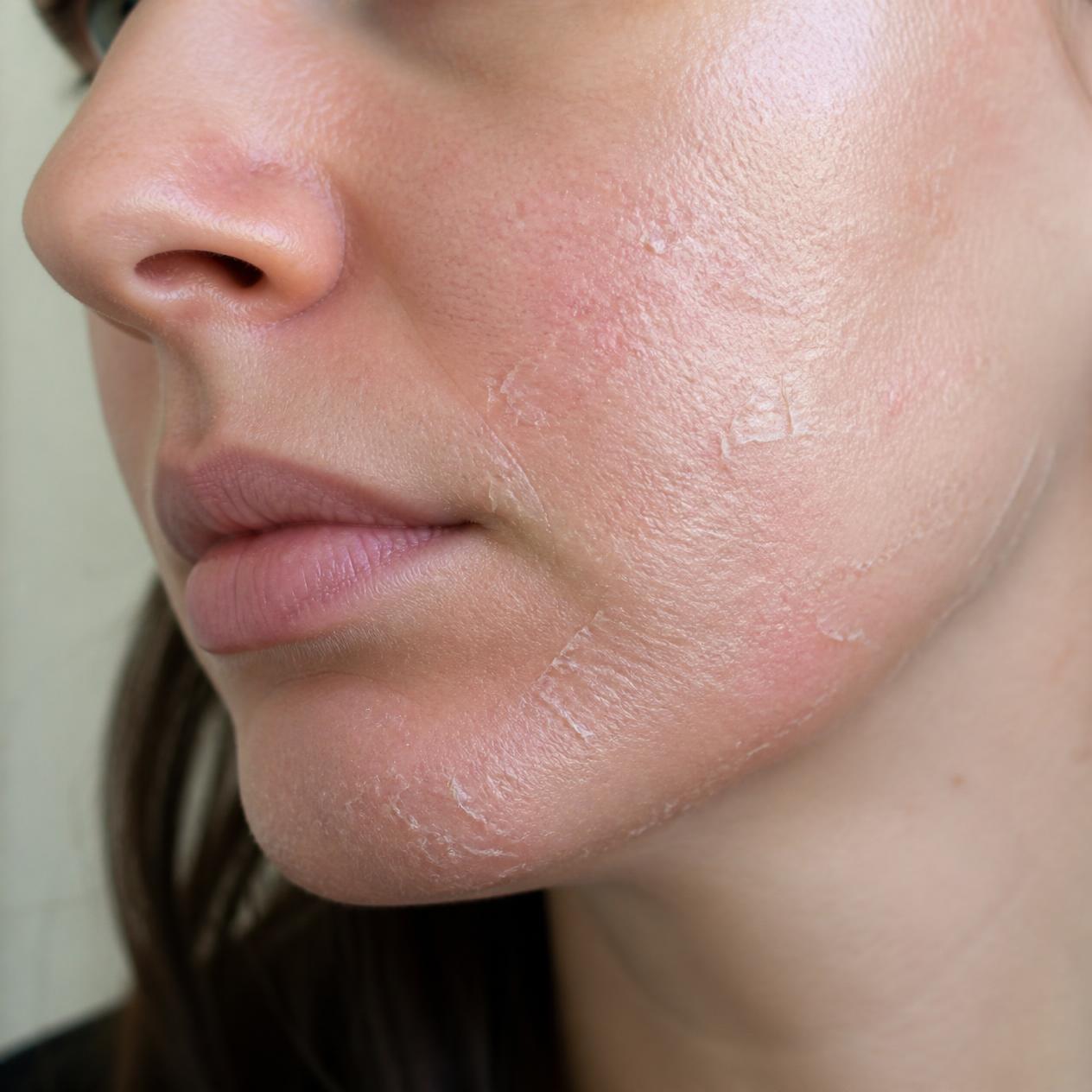
Retinoids like tretinoin are a long-term treatment. Skin conditions like acne may initially worsen during the first 2–8 weeks before improving after around 3–4 months. Fine lines, skin texture and pigmentation typically take 6–12 months of consistent use to show meaningful improvement. Judging it too early is one of the most common mistakes.
Why It May Not Be Working
If it isn’t delivering results, it’s usually for one of these reasons:
- Inconsistent use or stopping during periods of irritation.
- Using too much, applying it to damp skin or combining it with other irritating products.
- A damaged skin barrier making regular use impossible.
- The wrong strength or formulation for your skin.
- Treating a condition that tretinoin alone won’t adequately address, such as hormonal acne, melasma or deep wrinkles.
- Counterfeit or poorly stored products purchased from unregulated sources.
- A genuine non-response, which is uncommon but can occur.
Most people who think retinoids don’t work for them are actually struggling with one of the first three issues.
How to Improve Your Results
Before switching treatments, optimise your routine:
- Apply to completely dry skin.
- Use only a pea-sized amount.
- Start slowly and increase frequency gradually.
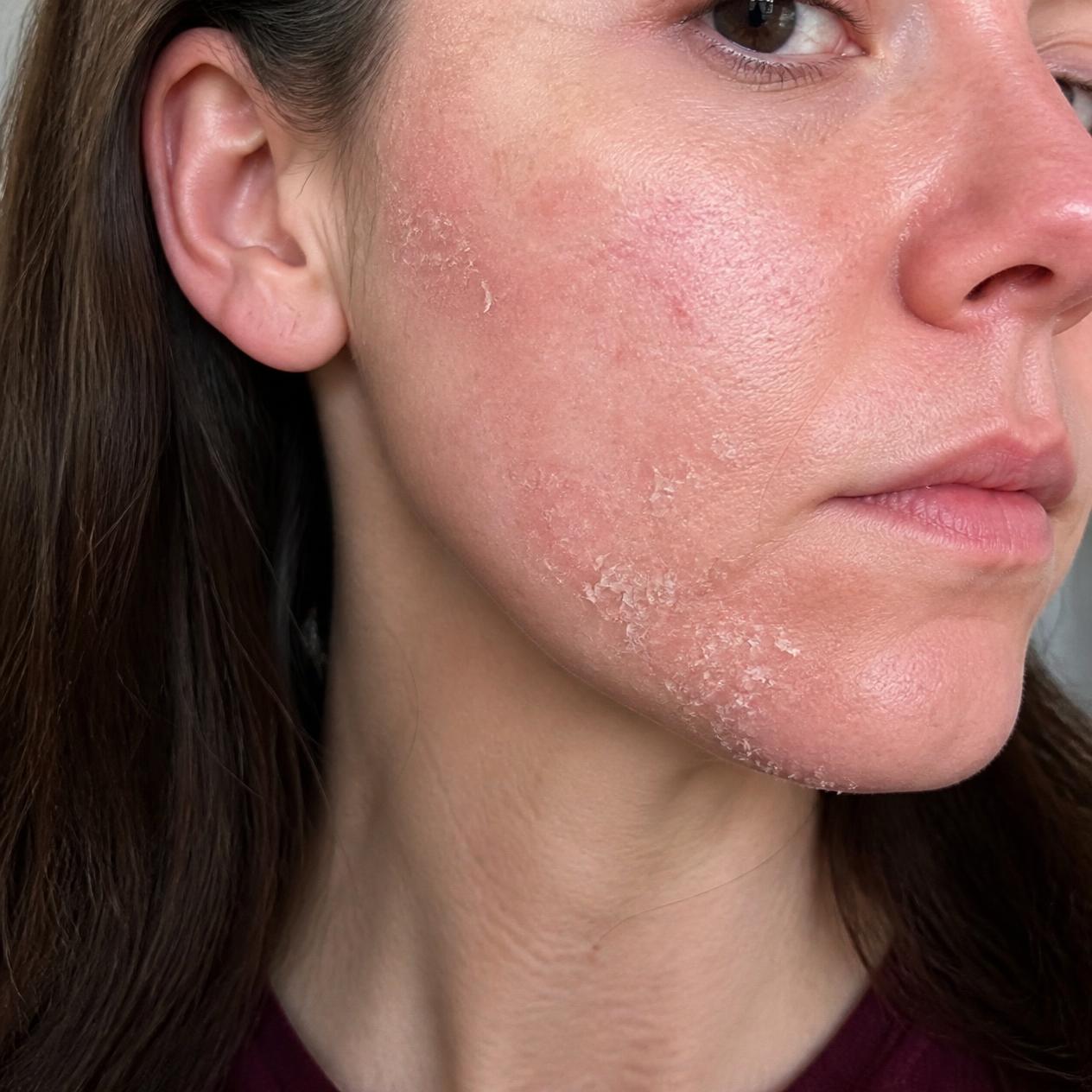
- Buffer with moisturiser if irritation occurs.
- Avoid using strong acids alongside retinoids.
- Support your skin barrier with a gentle cleanser, a ceramide-rich moisturiser and a daily broad-spectrum sunscreen.
Alternatives to Tretinoin
If tretinoin genuinely isn’t suitable, several effective alternatives exist:
- Milder retinoids like adapalene – gentler and also excellent for acne.
- Retinaldehyde – a milder over-the-counter retinoid.
- Azelaic acid – can help with acne, rosacea and pigmentation.
- Hydroquinone or tranexamic acid – can be effective for melasma and stubborn pigmentation.
- Combination treatments, oral medications or in-clinic procedures such as chemical peels, microneedling, polynucleotides and laser treatments may be more appropriate depending on the underlying cause.
When to Consider Switching
Speak to your doctor if you’ve used tretinoin correctly for around six months without improvement, continue to experience significant irritation, develop worsening pigmentation, trigger rosacea, or become pregnant. The best alternative depends on your individual skin concern. Remember, tretinoin should not be used during pregnancy.
In many cases, improving how tretinoin is used is enough to achieve better results. When it isn’t, your healthcare provider can help identify a more suitable treatment plan tailored to your skin’s needs.
Final note
If you’re considering prescription skincare or want guidance tailored to your skin, Go & Glow offers doctor-led online consultations focused on realistic, evidence-based care.